Indian Heritage Weddings in Italy —
Tradition, Family, and Landscape
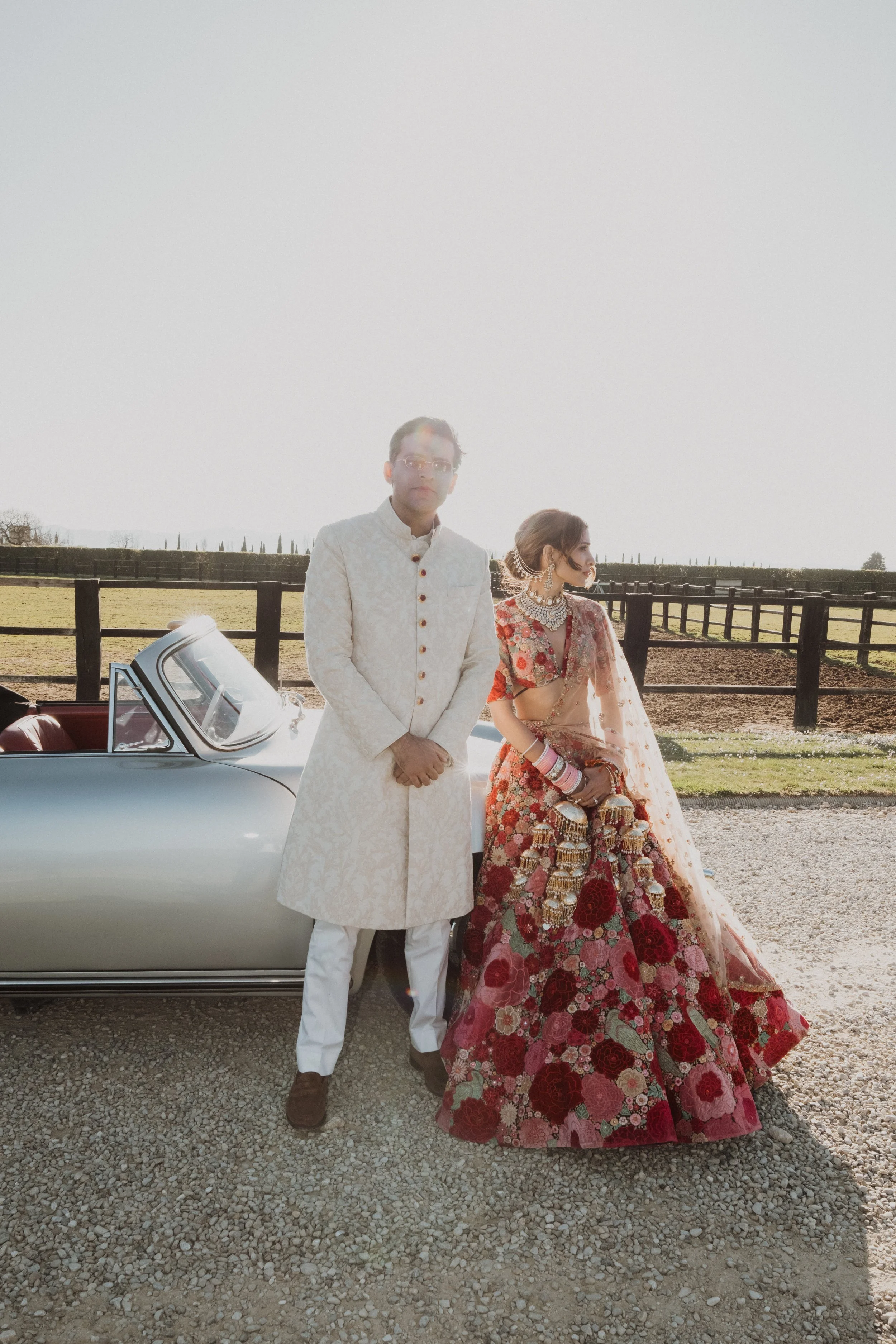
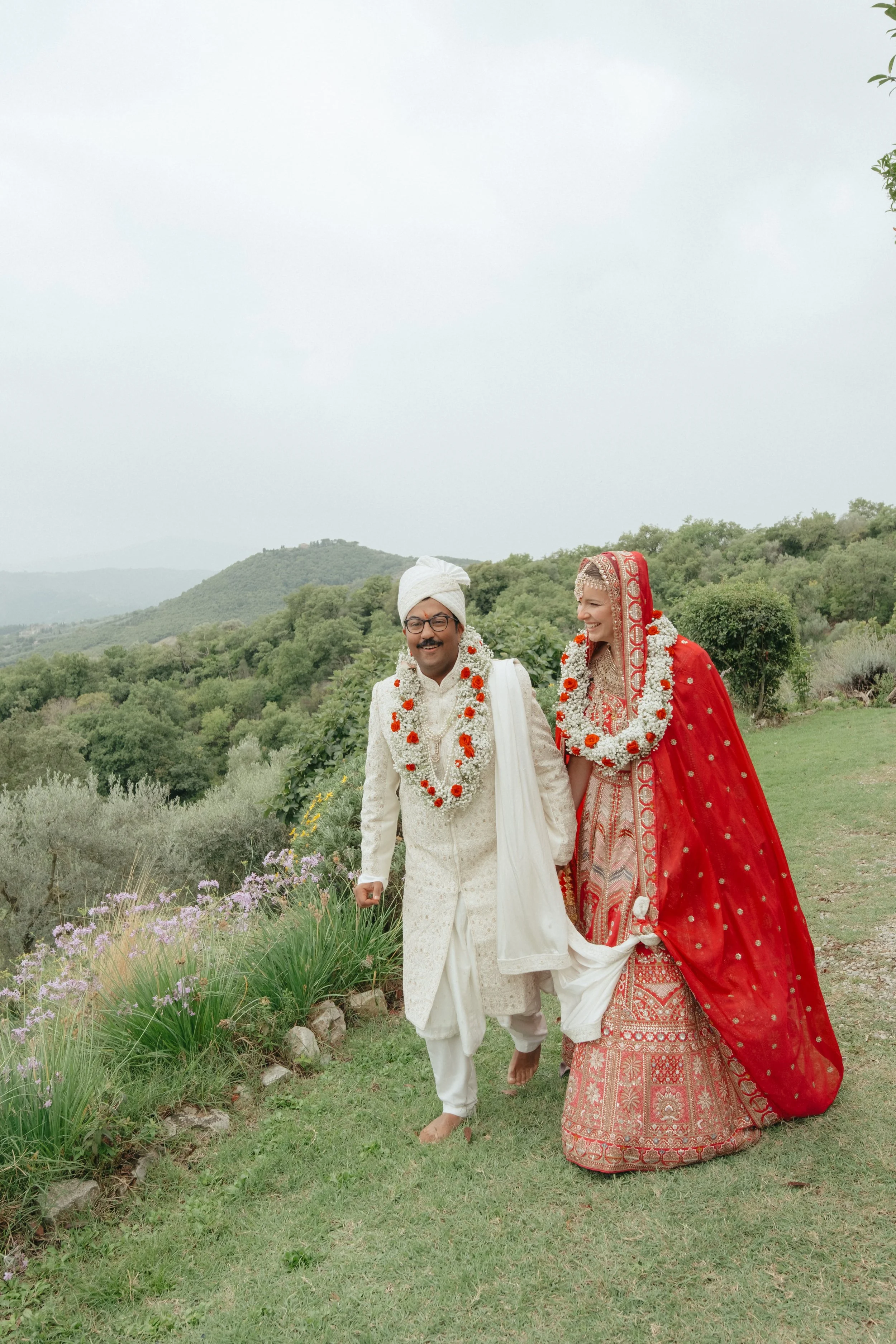
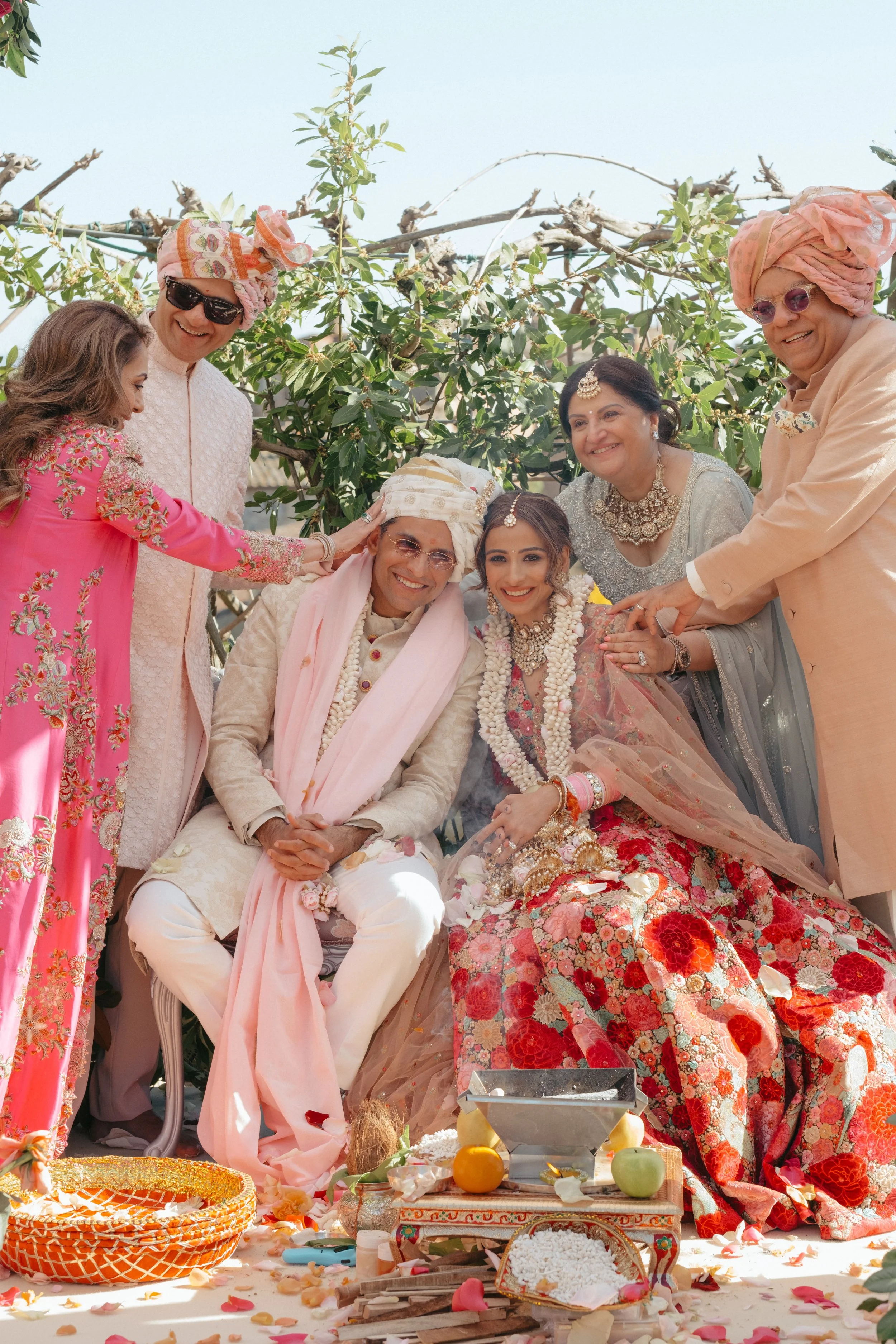
To photograph an Indian heritage wedding in Italy is to observe a dialogue between ancient ritual and neoclassical scale.
These celebrations carry layers of meaning — familial, cultural, and emotional — that do not dissolve when they travel. When hosted in Italy, they enter into conversation with a landscape shaped by history, architecture, and a very specific sense of pace.
This page is written for couples and families considering Italy as the setting for an Indian heritage wedding. Its purpose is not to define how such a celebration should look, but to offer clarity on how tradition and place can coexist with intention, respect, and restraint.


Indian Heritage Weddings in an Italian Context
Indian weddings are not single-day events.
They unfold over time, across multiple rituals, gatherings, and shared moments.
Italy, in turn, is a country accustomed to layered celebrations. Historic estates, private villas, and destination venues are often designed to host experiences that evolve rather than resolve quickly. This structural compatibility is one of the reasons Indian heritage weddings translate so naturally here.
What matters most is not spectacle, but sequencing — allowing each moment to exist without competing for attention, and ensuring that tradition remains intact within a new environment.
Scale, Structure, and Family Presence
Indian heritage weddings in Italy range widely in scale.
Some are intimate destination gatherings with a limited number of guests.
Others involve extended families and multi-day celebrations.
In both cases, clarity of structure is essential. Defined spaces, thoughtful pacing, and intentional transitions allow events to feel fluid rather than overwhelming — particularly when guests are travelling internationally.
The most successful celebrations are those where family presence is central, but never rushed; where time is treated as part of the experience, not a constraint to manage.
Mixed Traditions and Shared Ceremonies
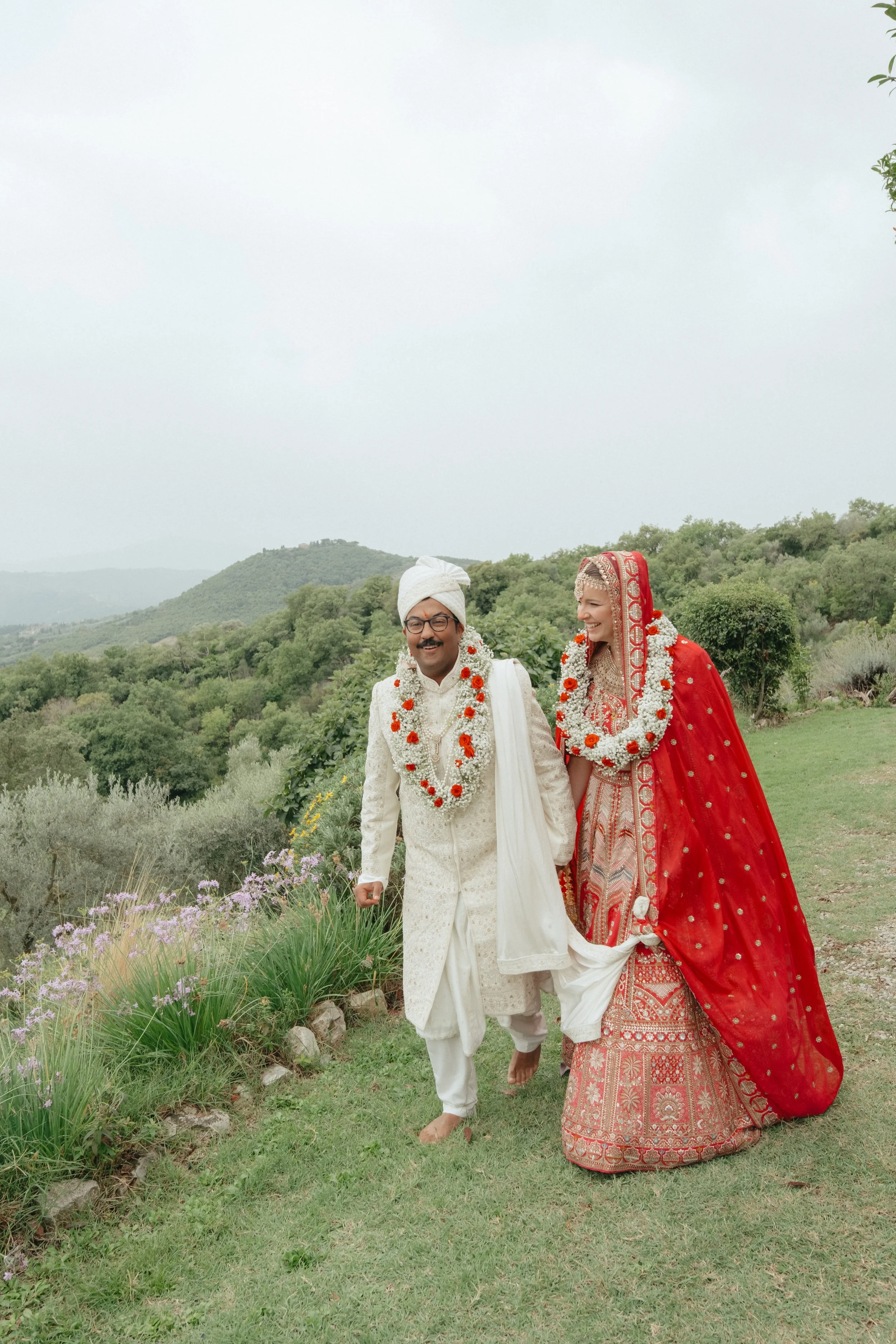
Many Indian heritage weddings held in Italy are also mixed celebrations, bringing together Indian and Western traditions within the same experience. These days often involve multiple ceremonial languages, cultural rhythms, and family dynamics unfolding side by side.
Photographing this kind of celebration requires the ability to move fluently between forms — recognising when a moment carries ritual weight, when it carries personal significance, and when it exists quietly between the two. The documentation must remain attentive without prioritising one tradition over another, allowing the day to hold its complexity without simplification.
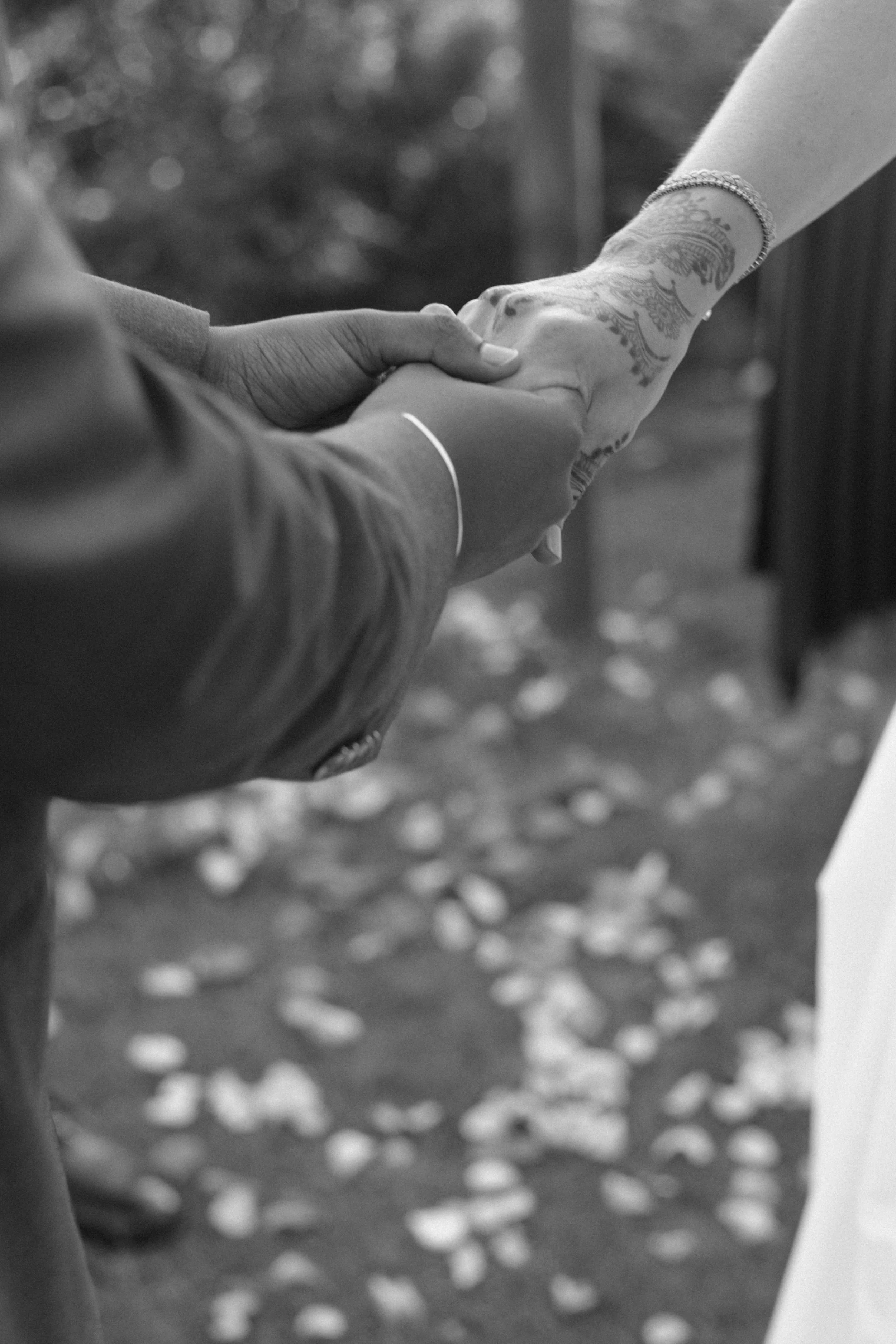
Ritual, Symbolism, and Setting
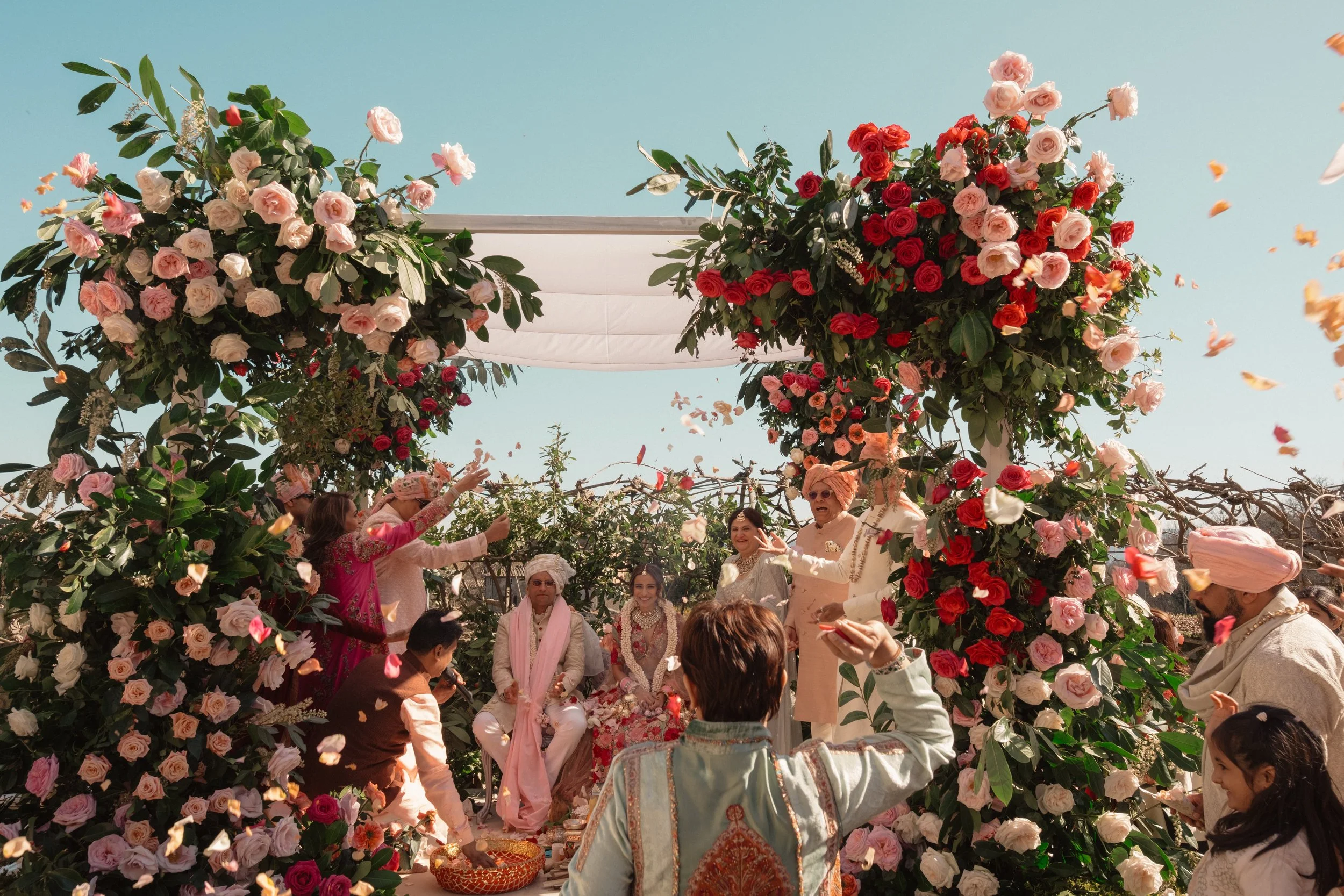
Indian wedding rituals carry specific spatial and emotional requirements.
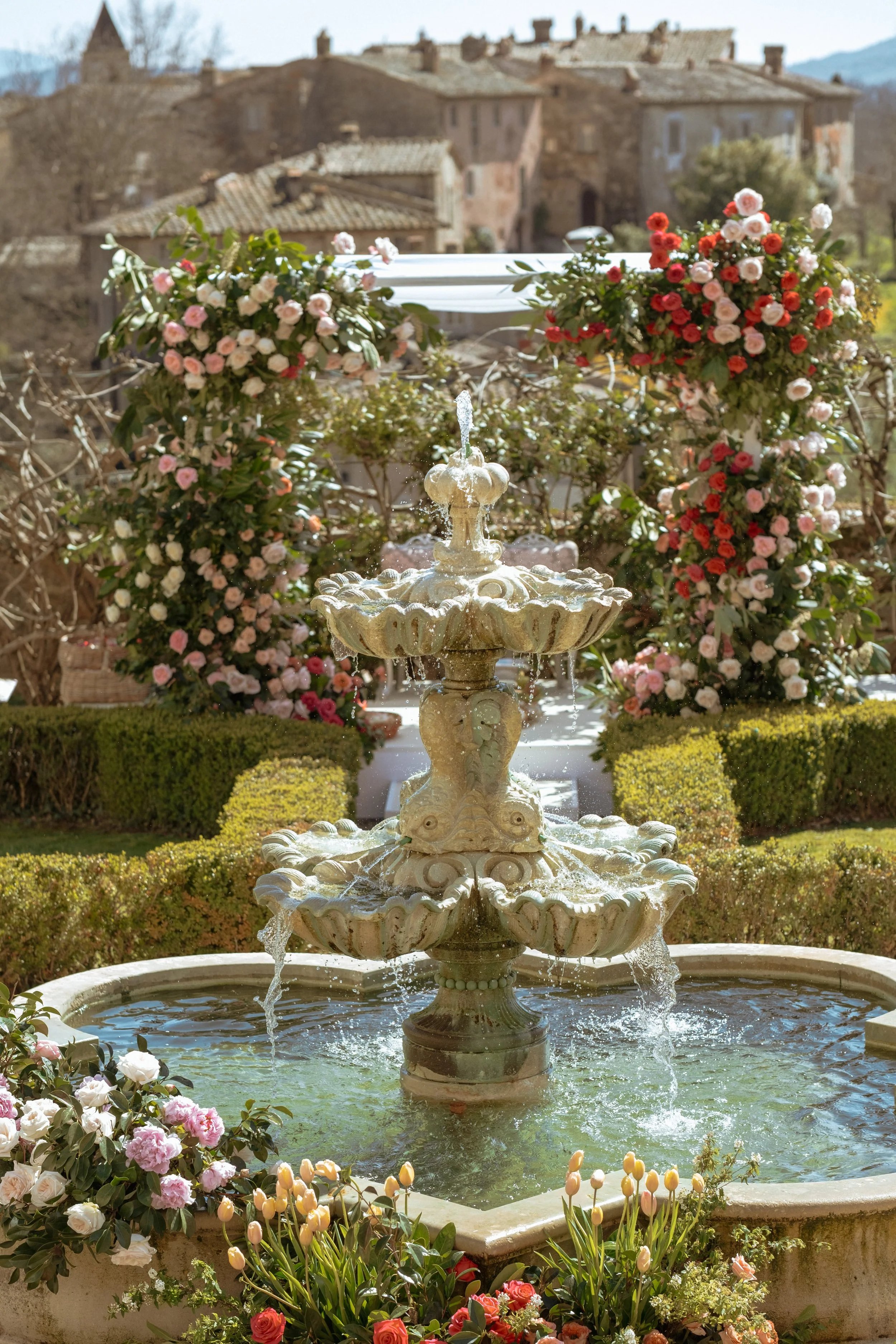
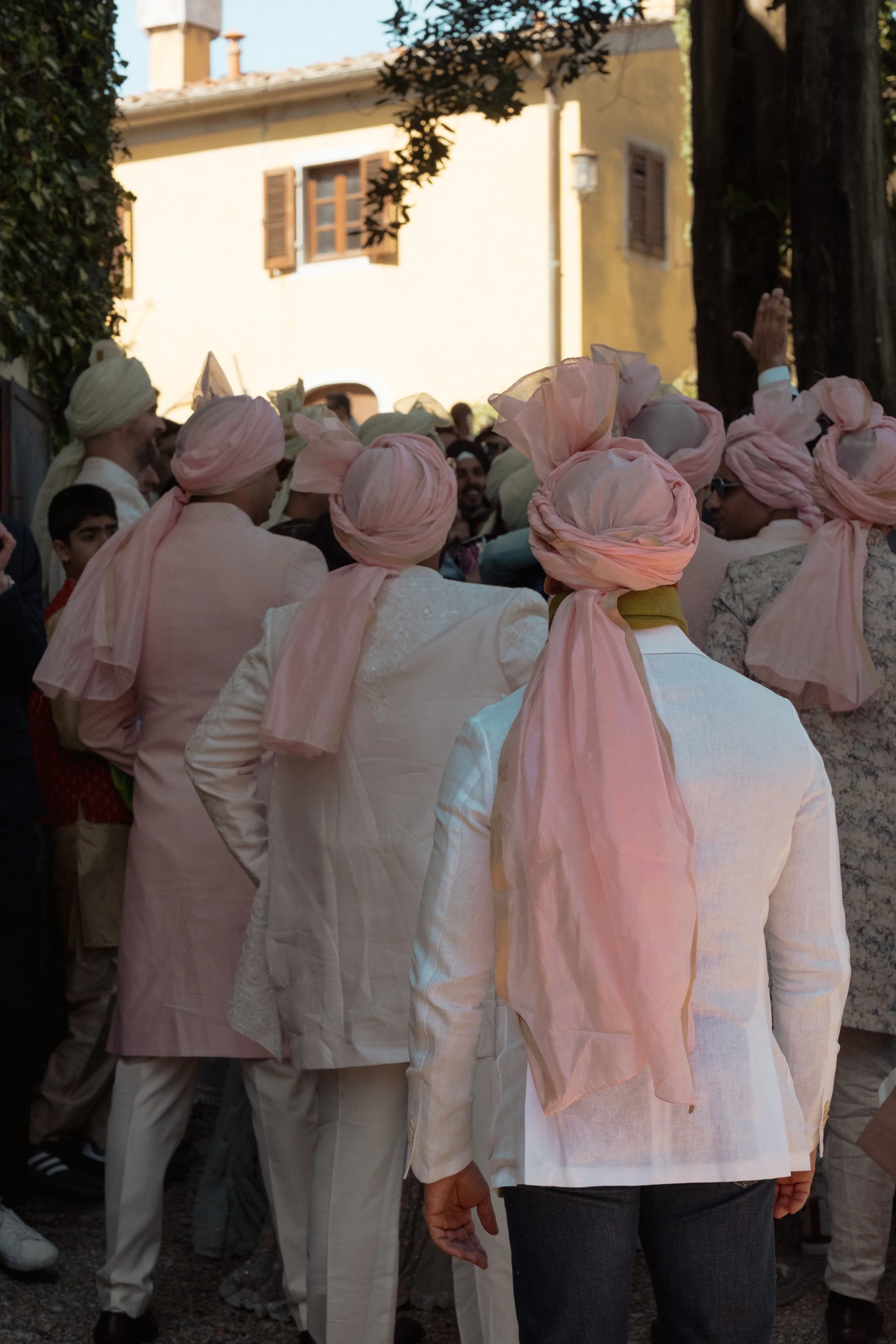
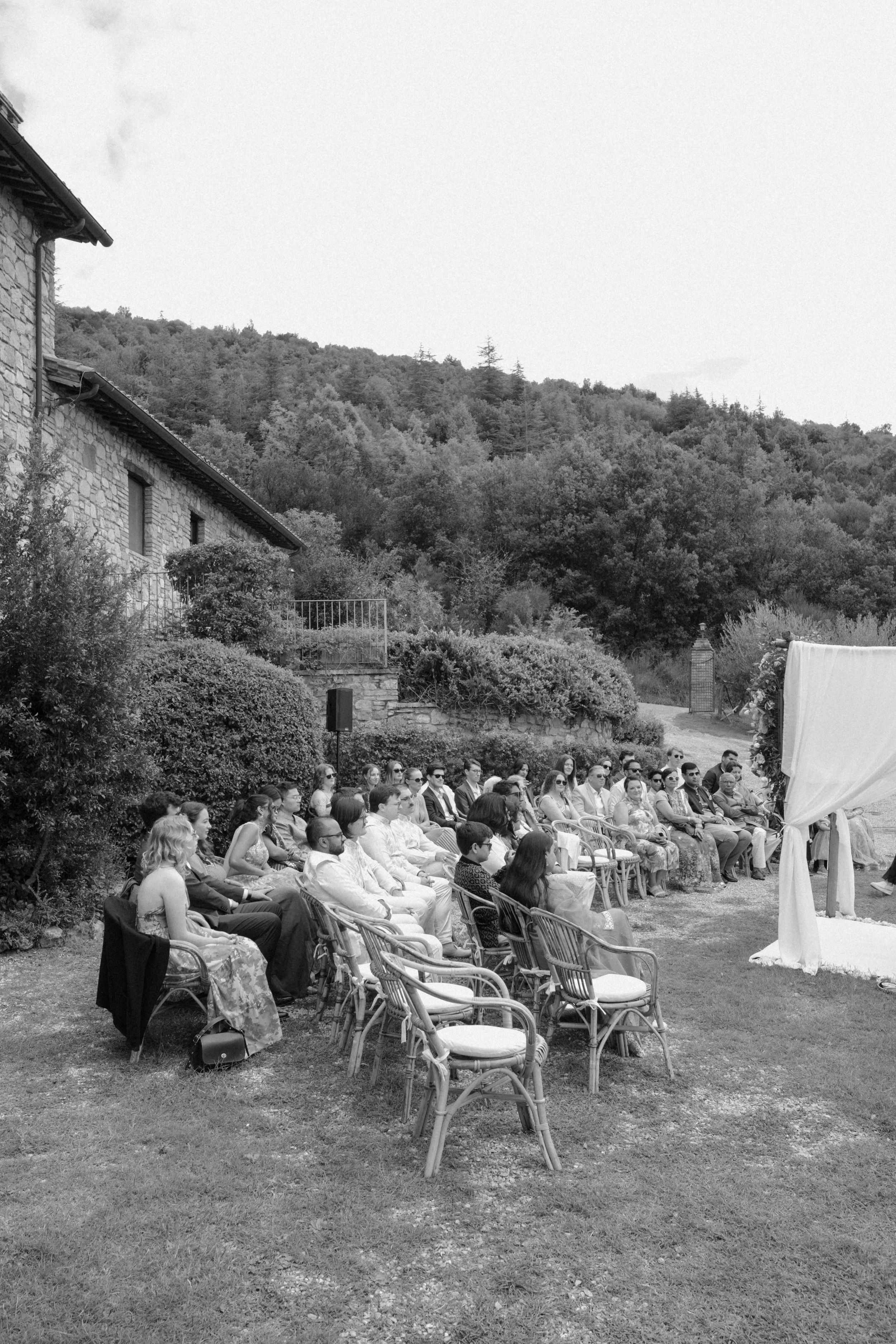
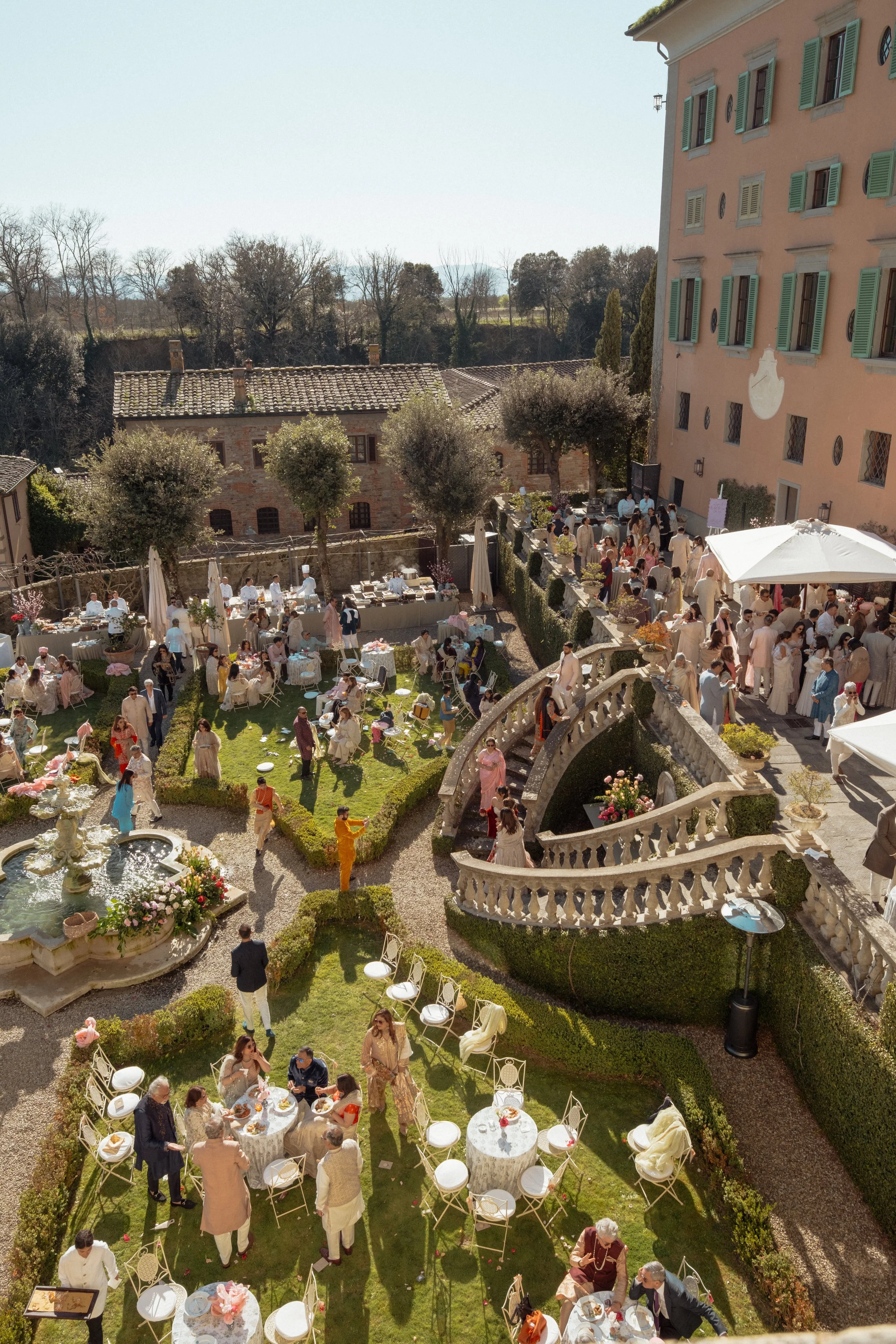
Mandaps, processions, baraats and communal moments benefit from environments that offer containment without restriction. In Italy, this often means private estates, gardens, courtyards, and indoor–outdoor spaces that allow ceremonies to unfold naturally.
Rather than adapting rituals to fit a venue, the strongest celebrations begin by choosing settings that already support the rhythm of the ceremonies themselves.
Choosing the Right Region in Italy
Different regions in Italy offer different conditions for Indian heritage weddings.
Lakeside destinations provide continuity and calm transitions between moments.
Countryside regions offer privacy and space for multi-day gatherings.
Historic cities introduce architectural presence but require greater logistical discipline.
The right choice depends less on aesthetics and more on how the location will support movement, guest experience, and the emotional tone of the celebration as a whole.
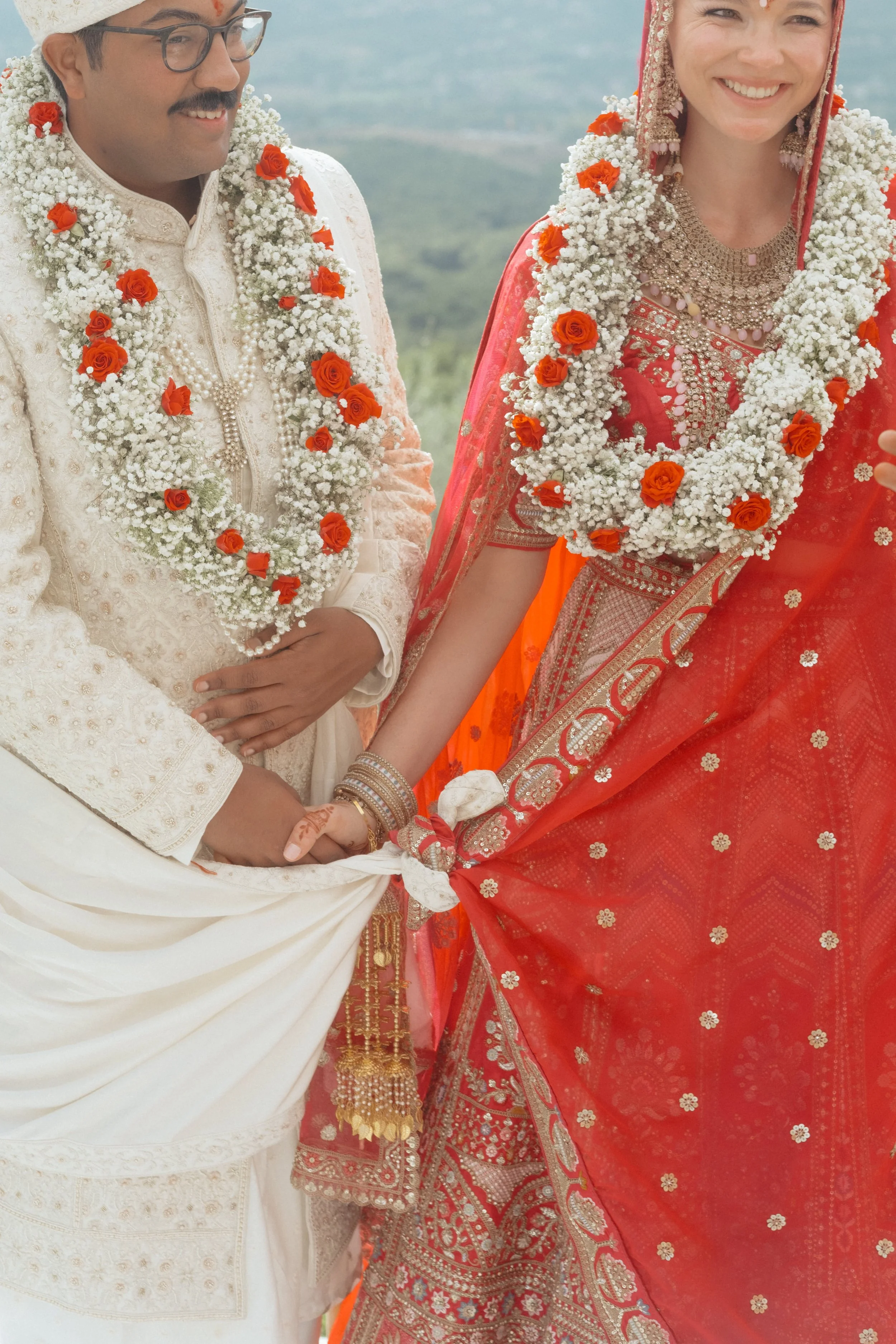
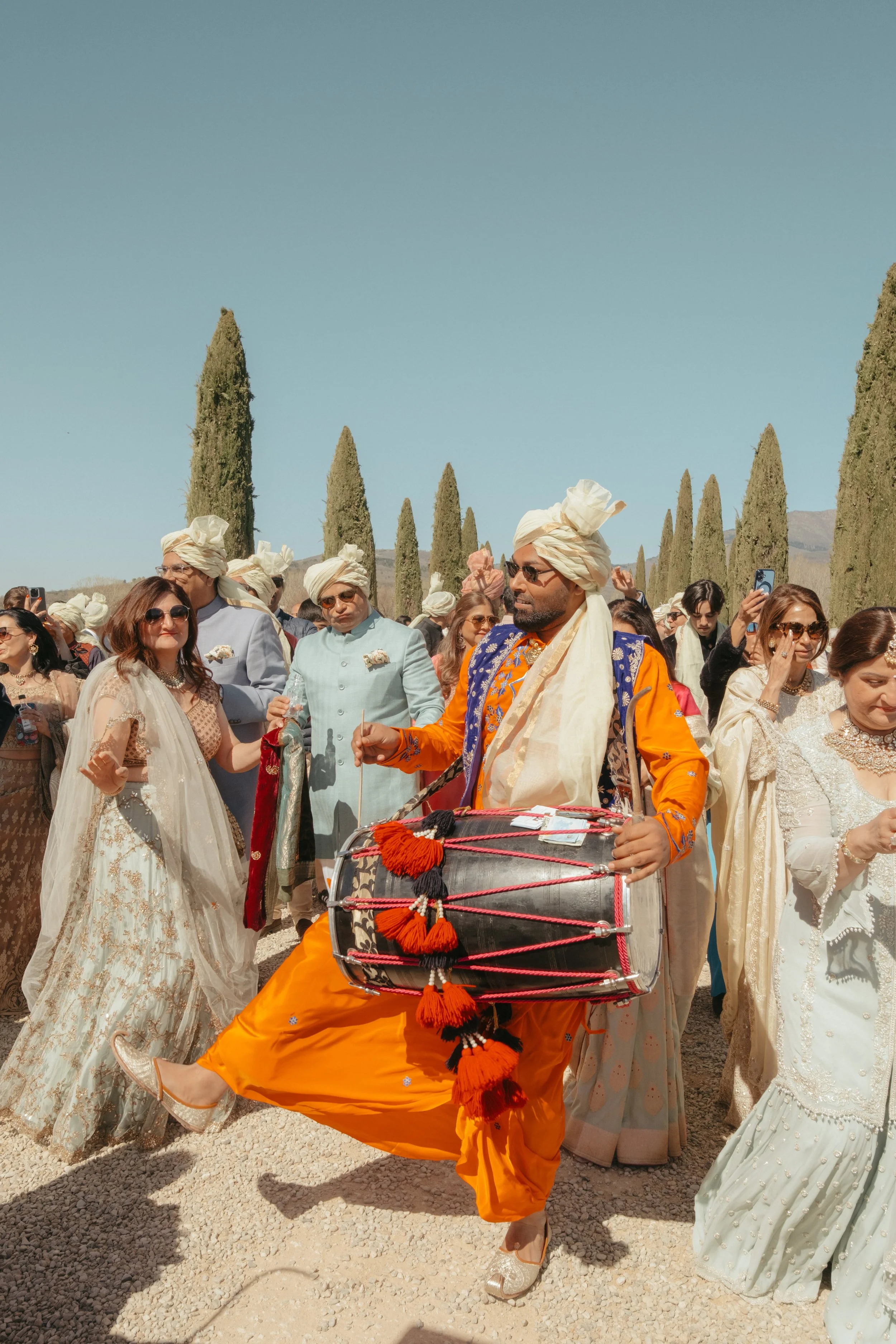
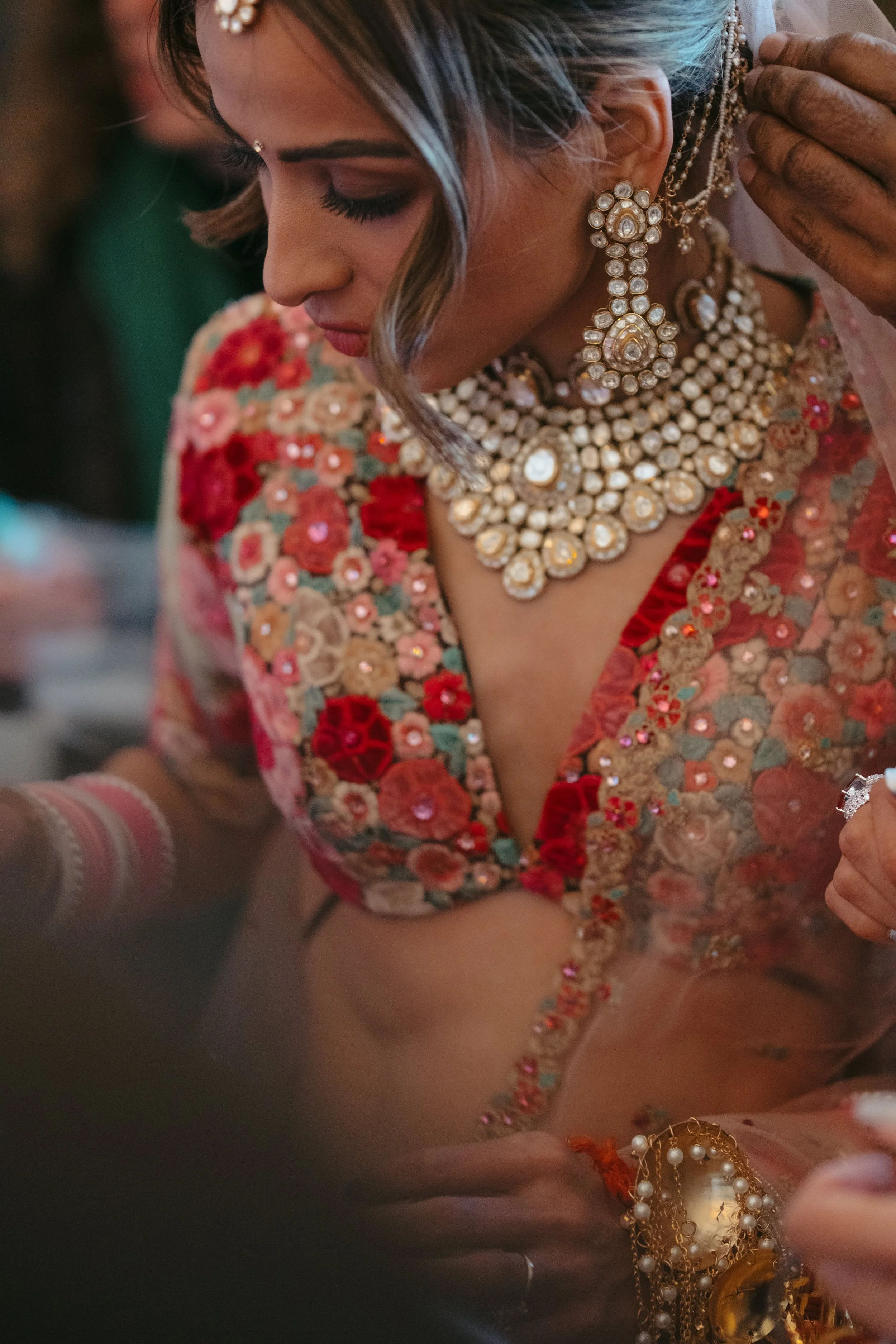
Photography for Indian Heritage Weddings in Italy
Photographing an Indian heritage wedding requires attentiveness to rhythm, relationship, and continuity.
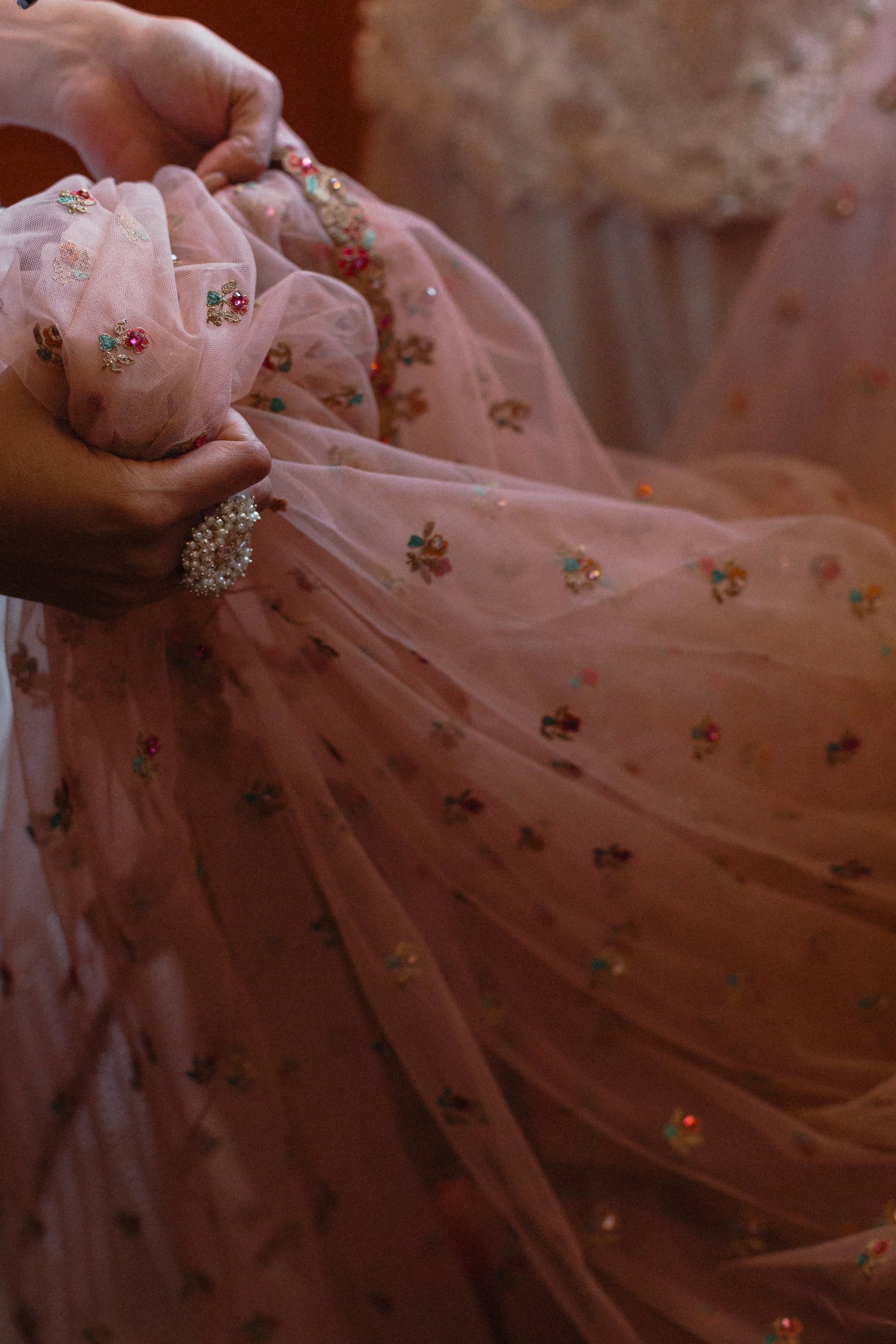
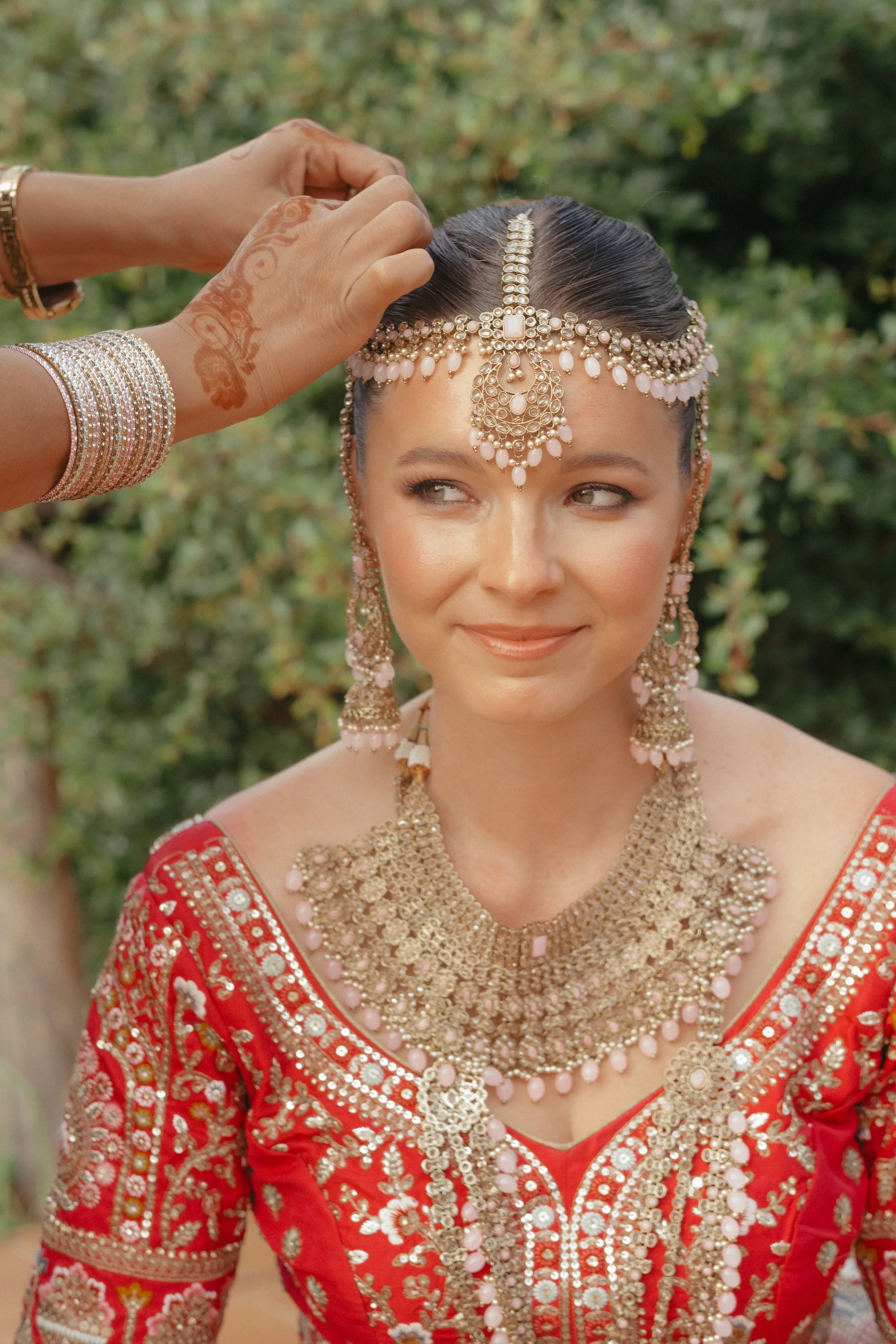
In a destination context, the role of photography is not only to document rituals, but to observe how tradition, family, and place interact across time. An approach that prioritises observation over performance — one recently recognised by Vogue India — allows exuberant tradition and quiet, unforced moments to exist without hierarchy.
The aim is not to stylise culture, but to hold it with care, allowing both ritual and environment to remain present without competing for attention.
Planning with Intention
Destination weddings introduce complexity, particularly when cultural traditions are involved.
Clarity early in the process — around scale, expectations, and pacing — allows decisions to feel grounded rather than reactive. When couples, families, and local teams share a clear understanding of priorities, the celebration itself gains coherence.
Indian heritage weddings in Italy are most successful when planned with patience, mutual respect, and an awareness of how place shapes experience.

Is Italy the Right Setting for Your Wedding?
Italy suits Indian heritage weddings that value:
Time over efficiency
Structure that supports ritual
Shared experience over display
It may feel less aligned for celebrations that rely heavily on spontaneity without planning or require unrestricted public access.
Understanding this distinction early allows families to approach the process with confidence and clarity.
Using This Page as a Starting Point
This page is not intended to prescribe a format.
It exists to help you:
Understand how destination and tradition interact
Approach planning with clarity rather than assumption
Decide whether Italy aligns with your family’s expectations
If Italy resonates, it should do so not only visually, but emotionally and practically.
Considering Italy for an Indian Heritage Wedding
If you are considering Italy for an Indian heritage wedding and would like to explore how tradition, family, and place can be held together with care, you are welcome to reach out.
The studio works with a limited number of Indian heritage weddings in Italy each year, approaching each celebration with discretion, cultural awareness, and a deep respect for both ritual and landscape.
check our projects for an indian heritage wedding